

Thirty quiet minutes, no needles, no downtime — and you leave with skin that's noticeably softer and brighter the moment you sit up.
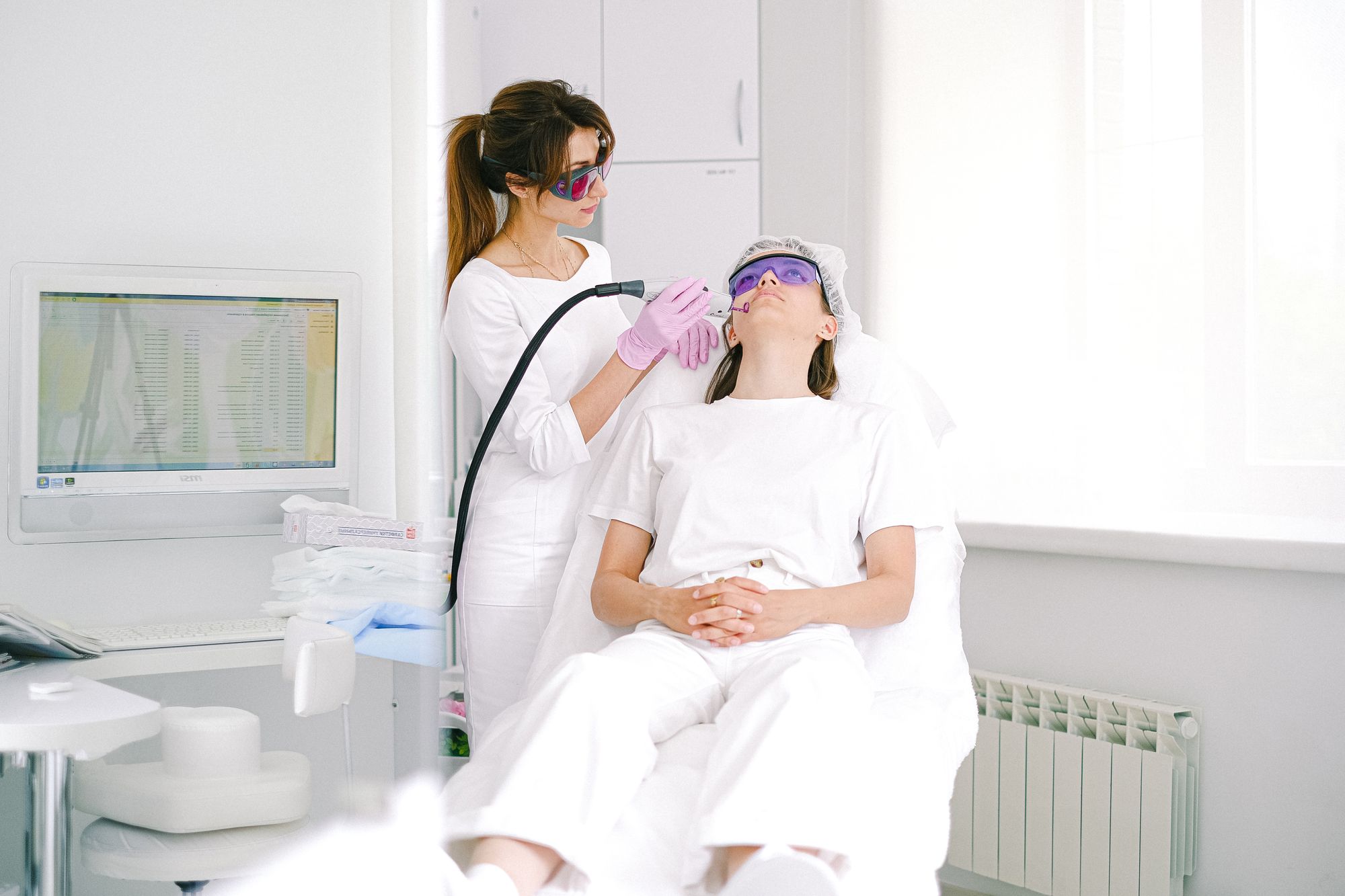
You lie back. Your clinician draws a sterile, single-use surgical blade across clean, dry skin at a careful angle — lifting away dull surface cells and the fine peach fuzz that catches light and powder.
You feel a soft, scratchy whisper, never pain. Thirty minutes later, you sit up to a face that looks lit from underneath — the kind of finish you usually need a filter to fake.
It's the easiest yes on the menu: no needles, no peeling, no recovery. Serums sink in deeper. Foundation glides instead of clinging. You leave looking like you slept ten hours.
Treated areas · Face · Jawline · Neck · Décolleté
Who it helps.
The change is immediate — you'll feel it in the mirror before you've even left the room.
Run a finger across your cheek on the way out — that velvet is the dull layer your skincare has been fighting through for weeks.
With the peach fuzz gone, foundation lays down like a second skin instead of clinging to little hairs and settling into texture.
Thirty minutes, nothing to recover from — book it the morning of the event and no one will know you did anything.
Short answers to the questions we hear most often about dermaplaning — the comfort, the cadence, and the peach-fuzz question.
No — the sensation is closer to a soft, scratchy whisper than a scrape. Most patients describe it as oddly relaxing. There's no numbing required, and no redness when you sit up.
It won't. Vellus hair — the fine peach fuzz on the face — grows back at the same texture and color it always was. The myth comes from terminal hair (the coarser kind), which dermaplaning is not used on.
Every 3 — 4 weeks is the sweet spot — it matches your skin's natural turnover cycle, so each visit lifts the layer that's just finished its work.
Yes — and you'll want to. Foundation lays down like a second skin because there's no peach fuzz catching the pigment. Many patients book the morning of an event for exactly this reason.
We skip or postpone for active acne flares, open lesions, cold sores, severe rosacea, or sunburn. If you're on isotretinoin (Accutane), we wait until you've been off it for at least six months.
Often, yes — dermaplaning is the surface prep that makes peels penetrate more evenly and lets serums absorb cleanly. Your clinician will sequence it with anything else you're doing so nothing fights for the same week.
Dermaplaning is the easiest yes in the menu — book a 30-minute appointment and walk out with visibly smoother, more luminous skin.

Plus: how we’d use a summer with the schedule on your side. One page, refreshed each month.
Read this month →