

If a wrong treatment elsewhere made your melasma worse — or you’ve been told to just live with the patches — this is the careful path. Low-and-slow laser toning, the right peel for the right spot, and a home regimen sequenced so we calm pigment instead of provoking it.
Most patients who walk in with melasma have been burned before — literally or figuratively. Heat and aggressive lasers can drive the patches deeper, not lighter. So we go the other direction: conservative, layered, patient. Gentle laser toning to quiet the overactive pigment cells, medical-grade peels where they actually help, and a home routine that does most of the steady work between visits.
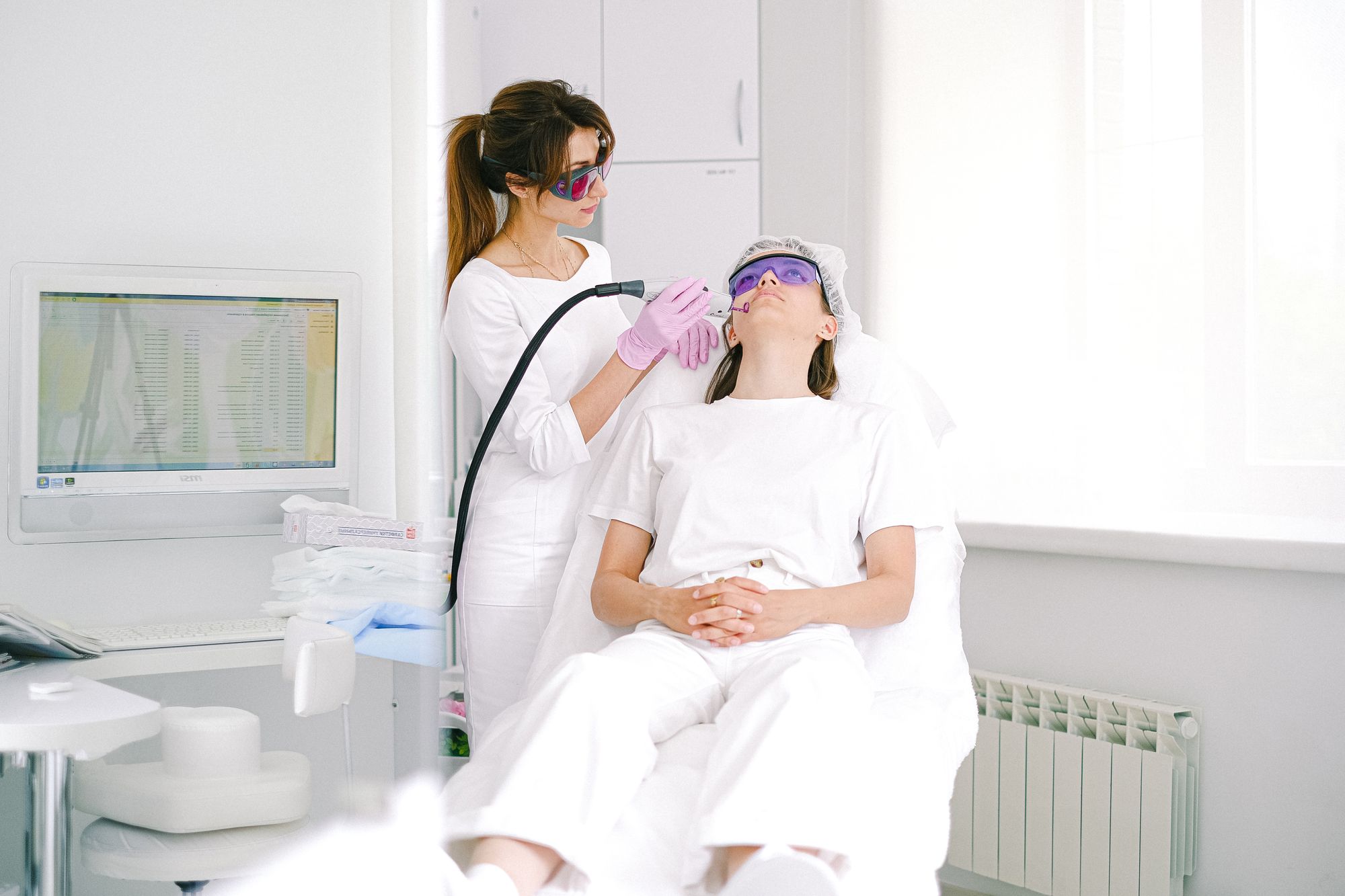
The in-clinic piece is low-and-slow laser toning on the Hollywood Spectra® platform — that means brief, comfortable sessions you can return to work after, not a single dramatic appointment that triggers a flare. Sun spots and post-inflammatory marks get a more direct lift from targeted peels. Either way, the tyrosinase-inhibiting skincare and disciplined SPF are non-negotiable — that’s the part that holds your result.
Expectation-setting matters here: melasma is a chronic, hormonally-influenced condition we manage — not something we cure in one visit. The honest promise is meaningfully clearer, more even skin you can keep — not a brochure photo we can’t deliver.
Treated areas · Cheeks · Forehead · Upper lip · Jawline · Neck · Décolleté · Hands
Who it helps.
Melasma is stubborn and prone to recurrence — so the point isn’t a dramatic before-and-after, it’s a face that stays evener month over month.
Will the mustache shadow, the cheekbone smudge, the forehead patch actually lift? Yes — gradually. Most patients see real change inside a few sessions, not a single visit.
What about my Hispanic / Asian / olive complexion? Layered specifically for it. Gentle in-clinic treatment plus the right home regimen — not a one-size protocol that risks rebound pigment.
Will it come back the moment I stop? Not if we’re honest about maintenance. Steady, lasting control with disciplined SPF means you stop riding the flare-and-fade cycle.
Melasma is famously sensitive — so we’d rather answer the cautious questions up front than gloss over them.
It can — if the wrong device or the wrong settings are used. That’s why we tone low-and-slow on the Hollywood Spectra® platform, in short sessions designed to quiet pigment rather than provoke a rebound flare. We also screen out anyone who isn’t a candidate that day.
No numbing needed. Most patients describe it as a warm, snapping sensation — brief and very tolerable. You’ll walk out and back to your day.
Real softening usually shows by sessions 2 — 3, with best results across a 4 — 6 session series spaced two to four weeks apart. Sun spots and PIH often respond faster than true hormonal melasma.
Yes — that’s exactly who this protocol is built for. The Spectra® toning approach is widely used across Fitzpatrick III — V because it spares the surrounding skin while targeting excess pigment. We adjust per visit based on how your skin responded last time.
Likely, yes — melasma is chronic and hormonally influenced. That’s the honest answer. What we can promise is meaningfully clearer skin you can hold, provided you stay on the home regimen and treat SPF like a daily prescription.
We pause laser and most topicals during pregnancy and tailor the home regimen for breastfeeding. SPF and gentle physical exfoliation are usually the right footing until you’re cleared to restart.
Bring your story — what you’ve tried, what flared, what didn’t hold. We’ll figure out what’s actually driving your pigment and the gentlest path to fade it without setting it off again. SPF is part of every plan, every time.

Plus: how we’d use a summer with the schedule on your side. One page, refreshed each month.
Read this month →